
Why do Pakistani students get rejected for the US student visa? The F-1 refusal rate at the Karachi consulate stood at 36.3% in 2023. By 2025, aggregated data from visa consultancy filings and published consular statistics place the rejection rate for Pakistani nationals considerably higher, several sources tracking multi-consulate outcomes cite figures above 70%. One in three applications refused, possibly more. That is not a streak of bad luck. That is a pattern.
The same gaps appear in file after file: weak financial documentation, vague interview answers, academic mismatches. Most of these refusals are predictable. And because they are predictable, they are fixable, provided you catch the problems before an officer does.
Consultancies that review applications through an immigration law lens, such as MUSAFAT Student Consultants in Gujranwala, catch most of these red flags before the file ever reaches a consular officer’s desk. Most Pakistani students apply without that kind of review. Treat this article as your self-audit. Read it before you apply, not after you receive a refusal notice.
Why do Pakistani students get rejected for the US student visa, the 214(b) problem
Section 214(b) of the US Immigration and Nationality Act operates on a single assumption: every visa applicant intends to immigrate unless proven otherwise. The burden of proof sits entirely on you. Pakistani applicants are disproportionately affected because historically high overstay rates from the region raise officer scrutiny before your interview even begins.
Nonimmigrant intent is not a feeling you express. It is not enough to say you plan to return. You must demonstrate specific, verifiable reasons why returning to Pakistan is in your personal and economic interest. The officer applies a balance of probabilities test: they only need to be 51% uncertain about your return intent to refuse your application. Your job is to remove that doubt completely, not merely reduce it.
The ties that matter to an officer are concrete anchors, not abstract loyalty. A job with confirmed approved leave, a spouse and children in Pakistan, property registered in your name, a business that requires your active management. An unmarried, unemployed applicant with no dependants and no property is statistically the highest-risk profile, and officers are trained to identify it immediately.
Three behaviours trigger 214(b) refusals more than any others. Mentioning US relatives as your primary financial sponsor suggests immigration pull rather than temporary study. Giving scripted, generic answers about returning “definitely” with no supporting specifics, combined with having no post-graduation career plan that links your US degree to a specific role in Pakistan, tells an experienced officer exactly what they need to know.
Financial proof: why Pakistani applicants get rejected for the US student visa
Insufficient financial evidence is the second most common reason for F-1 denial in Pakistan. The officer needs to see that tuition and living costs are genuinely covered, not merely that money exists somewhere in an account. Depending on the university’s cost of attendance, the required amount typically reflects the full first year of study plus living expenses, often between $25,000 and $50,000.
Convincing proof of funds is specific. Accepted documents include original bank statements covering the past three to six months, three years of tax returns for the sponsoring parent, fixed deposit statements, official loan sanction letters from a recognised bank, and scholarship award letters. Pay slips and employment letters from the sponsor corroborate the source of funds and give the financial picture coherence.
The officer is not just counting money. They are assessing logic. The balance in the account should be proportionate to the sponsor’s documented income. A statement showing a stable, believable savings history built over time is far more convincing than a large balance with no clear source. Documents must show the sponsor’s name, a consistent balance history, and verifiable income.
A large, unexplained deposit appearing one to two months before the application is one of the clearest red flags in any financial file. Officers are specifically trained to spot it. It signals that funds were borrowed or aggregated from multiple sources solely for the visa, not that genuine financial capacity exists. The fix is straightforward but requires planning: build a consistent bank history at least six months before you apply, document all income sources, and do not move money around to inflate a balance figure.
Interview answers that quietly confirm a refusal
Poor interview performance is usually the final nail, but it only reveals what the file already failed to prove. Pakistani applicants who receive coaching from unqualified consultancies frequently arrive with memorised, scripted responses that feel exactly that way to an experienced officer sitting across from them.
Specific behaviours signal overstay risk during the interview. One-word or vague answers, “I have a job” without naming the company, your role, your tenure, or the approved leave already granted, tell the officer nothing verifiable. Volunteering information about US relatives before being asked, or describing them as your primary financial support, works directly against your case. Inconsistency between what you wrote on the DS-160 and what you say verbally is flagged immediately. Nervousness alone does not cause refusal. Nervousness combined with unverifiable answers does.
Every answer about returning to Pakistan should reference something specific and documentable. “My employer has issued a letter confirming I return on [date] to lead [specific project]” is a verifiable statement. “I will definitely come back” is not. Family ties should be stated with specifics: a spouse’s name, children’s ages, school enrolment, NADRA documentation. Career plans should connect the US degree directly to a named employer, sector, or business goal in Pakistan, not a vague aspiration about future success.
Course choice and university selection: the academic logic test
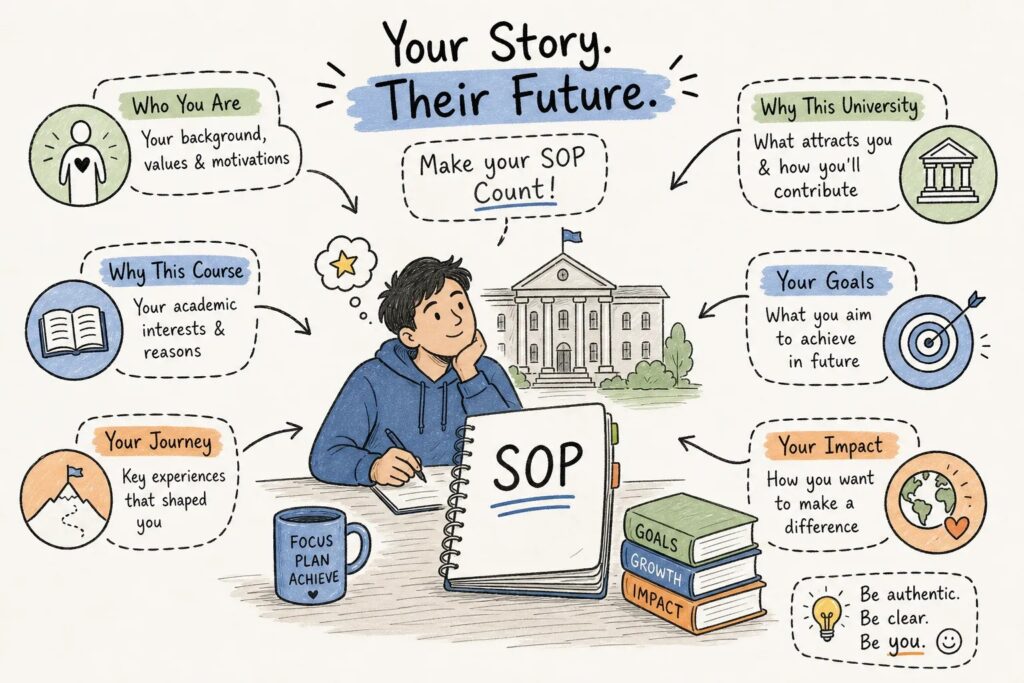
Academic fit is one of the most overlooked reasons for F-1 denial among Pakistani students. Officers apply an academic logic test to every application: does this course make sense given this student’s background and stated career goals? Grades and test scores rarely cause refusals on their own. The narrative inconsistency in the file is what triggers doubt.
A sudden switch in field with no explanation raises an immediate question. A commerce graduate applying for an MSc in Cybersecurity, for instance, suggests the course was chosen for visa purposes rather than genuine academic interest. Applying for a qualification at a lower level than one already held, such as a second bachelor’s degree after completing a master’s, signals that the study visa is being used as an immigration route. The Statement of Purpose must address any gap or switch in your academic history with specific, logical reasoning tied to your career trajectory.
The institution you choose also affects how your file is assessed. Low-compliance universities, those with high historical refusal rates or flagged by US immigration authorities, increase scrutiny on every applicant from that institution. A clear mismatch between your academic profile and the tier of institution raises questions about the authenticity of the admission itself. Research the university’s standing and compliance record before you commit. An admission from the wrong institution can undermine an otherwise strong application entirely.
Paperwork gaps that sink otherwise solid files
Even strong candidates with good financial records and clear intent to return are refused because of avoidable paperwork errors. The DS-160, the I-20, and the SEVIS fee receipt form the mandatory core of your application. Any inconsistency between them, or between them and what you say at the interview, creates grounds for doubt that an officer will not overlook.
The DS-160 must match your passport, your I-20, and every verbal statement you make at the interview. Name spelling, dates, programme details, and passport numbers must be identical across all documents. Selecting the wrong visa category, entering an incorrect SEVIS number, or leaving fields incomplete are common errors that trigger administrative processing and can delay or derail the application altogether. Failing to declare prior visa refusals on the DS-160 is treated as deliberate deception, not an innocent oversight. It results in automatic refusal and can trigger a ban.
Before you submit, carry out a structured self-audit on your DS-160: confirm every field is complete, consistent with your passport and I-20, and that prior refusals are declared. Then review your I-20 and SEVIS documents separately: verify the I-20 is signed by the designated school official, that the programme start date has not passed, and that the SEVIS number matches your fee receipt exactly. Prepare specific, documented answers for ties-to-Pakistan questions and have supporting documents physically available at the interview. This document-level review is precisely what immigration law-trained advisors carry out before submission, catching inconsistencies that applicants routinely miss when checking their own files.
After an F-1 refusal: how to rebuild your case and reapply
A refusal under Section 214(b) is not a permanent bar unless it involves fraud or misrepresentation. There is no mandatory waiting period before reapplying. But simply reapplying with the same file a few months later rarely works. The US visa system requires demonstrably changed circumstances, not just a new application fee and another interview slot.
Most Pakistani applicants receive a 214(b) refusal with limited written explanation. Understanding which specific element triggered the refusal requires reading the officer’s verbal feedback carefully. The most common post-refusal mistake is applying too quickly without addressing the root cause, believing a different officer will assess the file differently without substantive changes to it. What actually strengthens a reapplication: a new employment letter confirming your return date, updated financial statements showing genuine account history, a revised Statement of Purpose that directly addresses the academic logic of your chosen course, and documented proof of ties that were absent from the original file.
A second refusal with the same weaknesses compounds the damage to your visa history. This is where getting a professional file review pays for itself. MUSAFAT Student Consultants reviews student visa applications through an immigration law lens, identifying the specific weaknesses that led to refusal and rebuilding the documentation accordingly. The firm’s founder, Majed Akbar, an Advocate High Court with immigration law training from the University of Pennsylvania, conducts a professional legal assessment of your file, not a generic checklist review. That distinction matters when your visa history is already carrying a refusal.
The real problem is preparation, not luck
Why do Pakistani students get rejected for the US student visa? Not because of bad luck. The refusals trace back to the same categories every time: insufficient financial documentation, weak or unverifiable ties to Pakistan, generic interview answers, academic narrative inconsistencies, and paperwork errors. Every single one of those is within your control.
Go through each section of this article against your own application. Be honest about where your file is weak. If you find one gap, you can fix it before you submit. If you find multiple red flags, do not rush to the counter.
The visa process does not reward speed. It rewards preparation. Fix the weaknesses first, then apply.